Micro-organismes
septembre 30, 2026
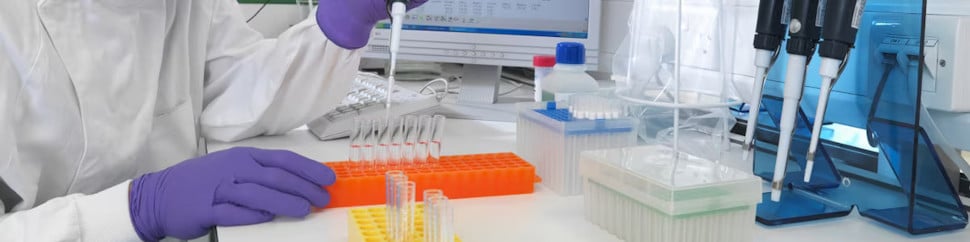
In the business of food, safety is job one. And one of the most reliable early-warning tools you have is indicator organism testing.
While a positive result does not necessarily indicate an unsafe product, it does mean your sanitation program may have a gap worth finding. That’s what indicator testing is designed to do: give your QA and FSQA teams a faster, more manageable way to evaluate environmental hygiene, catch contamination risks earlier, and act before a problem escalates.
This guide explains what indicator organisms are, which microorganisms are commonly monitored in food and beverage manufacturing, and how environmental monitoring programs help facilities strengthen contamination prevention efforts.
What Are Indicator Organisms?
Indicator organisms are groups of microorganisms whose presence, absence, or concentration provides insight into the overall hygienic condition of a manufacturing environment. While many indicator organisms do not directly cause illness, elevated counts may signal environmental conditions that could support pathogen growth or persistence.
Because indicator organism testing can often be performed more quickly and cost-effectively than pathogen-specific testing, it is widely used to support routine sanitation verification and environmental monitoring programs.
In food manufacturing, indicator test results are often used to support:
- Environmental monitoring programs
- Sanitation verification activities
- Corrective action investigations
- Trend analysis and process monitoring
- HACCP verification procedures
- FSMA preventive control programs
Indicator organism testing differs from pathogen testing because it focuses on broader hygienic indicators rather than detecting a specific pathogenic microorganism. However, elevated indicator organism counts may reveal environmental conditions that increase contamination risks and warrant further investigation.
It’s also worth noting how indicator testing differs from pathogen testing. P tests are specific microorganisms capable of causing foodborne illness. A spike in indicator counts is often the first signal that pathogen risk is increasing, making routine monitoring a foundational layer of any preventive food safety system.
Common Indicator Organisms in Food Manufacturing
Coliform
Coliforms are among the most widely used sanitation indicators in food manufacturing due to their broad distribution and relatively simple detection methods. Their presence on food contact surfaces or in finished products may indicate inadequate sanitation, post-process contamination, or potential equipment harborage sites.
E. coli
Generic E. coli testing is commonly used to indicate potential fecal contamination within a food production environment. While many strains are harmless, the presence of E. coli may signal a hygiene concern that warrants further investigation. Certain pathogenic strains, E. coli O157:H7 and other Shiga toxin-producing E. coli (STECs), are associated with significant food safety risks and are subject to strict regulatory standards in several food categories.
Enterobacteriaceae
Enterobacteriaceae are commonly used as broad process hygiene indicators because the group includes both coliform and non-coliform organisms. Elevated Enterobacteriaceae counts may suggest ineffective sanitation procedures, insufficient heat treatment, or post-process contamination risks. For example, elevated counts following a CIP cycle may indicate that cleaning procedures require reassessment before production resumes.
Listeria
Listeria monitoring is a foundational component of environmental monitoring programs in ready-to-eat food facilities. Because Listeria monocytogenes can persist within environmental harborage sites for extended periods, many facilities monitor for the broader Listeria genus as part of routine sanitation verification efforts. For ready-to-eat operations, environmental monitoring also supports compliance with FSMA preventive control requirements and strengthens preventive food safety programs.
Indicator Organisms and Pathogens in Food Manufacturing
Campylobacter
Campylobacter is one of the leading causes of domestically acquired bacterial foodborne illness in the U.S., and it’s most strongly associated with poultry production environments. Although it is a pathogen rather than a traditional indicator organism, many poultry processors include Campylobacter monitoring within environmental programs to strengthen contamination prevention efforts.
Cronobacter
Cronobacter is of particular concern in powdered food and infant formula manufacturing. It can survive in low-moisture environments and is associated with severe illness in immunocompromised individuals and neonates. Environmental monitoring in these facilities focuses on dry zones, equipment harborage points, and areas prone to moisture intrusion. Given FDA’s heightened examination of powdered infant formula, routine Cronobacter monitoring is both a regulatory expectation and a meaningful operational safeguard.
Salmonella
Salmonella continues to be one of the most significant foodborne pathogens globally and remains a major focus across numerous food categories. Environmental monitoring programs often include routine sampling in high-risk production zones to support contamination prevention efforts. Modern pathogen detection methods support faster presumptive results and improved contamination response workflows.
Why Indicator Organism Testing Matters for Food Manufacturers
The value of indicator organism testing comes from consistent monitoring over time. While a single environmental sample provides a snapshot of one area at a specific moment, routine testing helps facilities identify trends, evaluate sanitation effectiveness, and uncover recurring environmental risks before they become larger operational concerns.
Facilities with robust environmental monitoring programs are often better positioned to:
- Identify sanitation concerns before pathogens establish environmental harborage sites
- Strengthen preventive control verification activities
- Support GFSI-benchmarked certification requirements
- Improve corrective action documentation and trend analysis
- Prioritize deep-cleaning efforts and equipment maintenance
- Build long-term environmental data for continuous improvement initiatives
Most facilities incorporate quality indicator testing across multiple sampling areas, including:
- Food contact surfaces
- Non-food contact environmental zones
- Finished products
- Water and liquid systems
- Incoming raw materials
Together, these data points provide food safety teams with greater visibility into environmental hygiene conditions throughout the facility.
Explore In-Depth Guides to Indicator Organisms and Pathogens
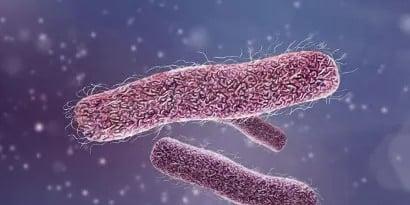

L’Escherichia coli est une bactérie coliforme à Gram négatif qui fait partie des espèces de bactéries les plus communément trouvées dans le système digestif humain. Certains types de bactéries E. coli sont connus pour provoquer de graves empoisonnements alimentaires lors de la consommation d’aliments contaminés. L’une d’elles, l’E. coli productrice de shigatoxines (STEC), produit une toxine puissante appelée la toxine Shiga (Stx). Le sérotype STEC le plus courant, le O157:H7, est responsable de plus de 75 % des infections E. coli dans le monde.


Le contrôle des espèces de Listeria, y compris la Listeria monocytogenes (L. mono), est essentiel dans tout environnement de transformation alimentaire. Si la « L. mono » ne fait pas partie des principales causes de maladies d’origine alimentaire, elle est cependant l’une des principales causes de décès d’origine alimentaire.



La Salmonella se démarque des organismes pathogènes par sa prévalence élevée. La maladie dont elle est à l’origine, la salmonellose, est la pathologie d’origine alimentaire la plus fréquemment signalée aujourd’hui.
Strengthen Your Environmental Monitoring Program with Neogen
Effective environmental monitoring starts with reliable, actionable microbiology solutions. Neogen helps food and beverage manufacturers strengthen sanitation verification programs with rapid testing solutions designed to improve operational visibility and support faster decision-making.
From Neogen® Petrifilm® Plates and pathogen detection platforms to environmental monitoring resources and food safety expertise, Neogen provides the tools and support teams needed to move from reactive investigation to proactive contamination prevention.
Together, we can help safeguard your business, your customers, and the world that you nourish.
Frequently Asked Questions About Indicator Organism Testing
- What are indicator organisms in food safety?
Indicator organisms are microorganisms used to assess the hygienic condition of a food production environment. Elevated counts may signal sanitation deficiencies or environmental conditions that could support pathogen growth. - Why do food manufacturers use indicator organism testing?
Food manufacturers use indicator testing to support sanitation verification, monitor environmental hygiene conditions, identify contamination risks earlier, and strengthen preventive control programs. - What is the difference between indicator organisms and pathogens? Pathogens are microorganisms capable of causing foodborne illness, such as Salmonella or Listeria monocytogenes. Indicator organisms are used to evaluate environmental hygiene conditions and identify situations where pathogens may have an increased opportunity to survive or spread.
- Which indicator organisms are most relevant in food and beverage production?
Commonly monitored microorganisms include Coliform, E. coli, Enterobacteriaceae, and Listeria. The appropriate monitoring program depends on product category, processing environment, and regulatory requirements. - How does indicator organism testing support sanitation verification? Post-sanitation environmental swabbing helps facilities verify whether cleaning procedures were effective before production resumes. Consistently acceptable results help confirm sanitation performance, while elevated counts may indicate the need for additional cleaning, process review, or corrective action.
Catégorie : Sécurité alimentaire, Nourriture et boissons, Santé publique, Microbiologie, Agents pathogènes, Séquençage bactérien, Surveillance de l'environnement, Assainissement & Hygiène, Traitement de l'eau, Microorganismes