Water-Based vs. Solvent-Based Extraction for Mycotoxin Testing
September 28, 2026
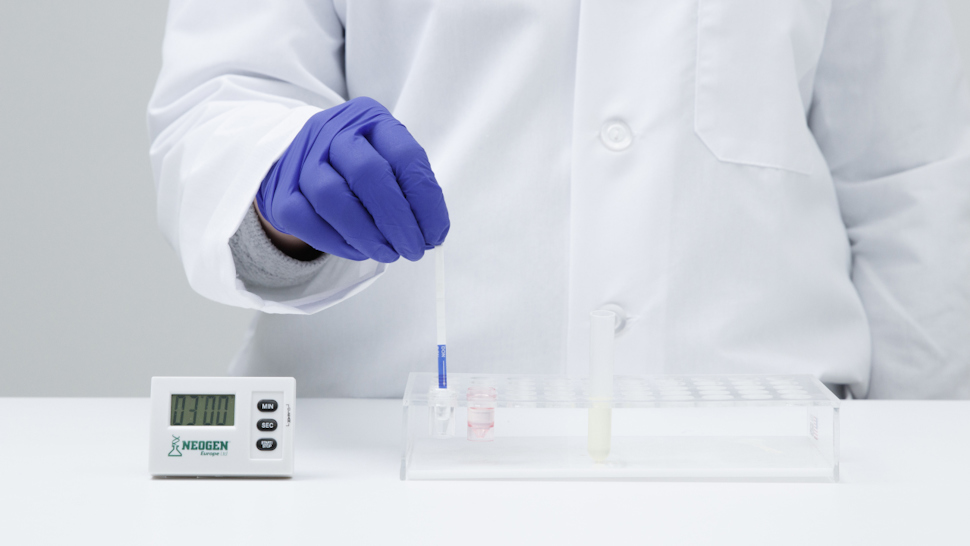
The right extraction can make mycotoxin testing simpler from the start. Before a rapid test can deliver a result, the target mycotoxin must first be extracted from the sample. Whether a water-based or solvent-based method is the better fit depends on the test, the commodity, and the workflow your team needs.
Why extraction is part of the testing process
Grain, feed, and food samples are complex. Mycotoxins can be present within that material, so a testing method needs a preparation step that brings the target into a liquid extract that can be tested. Neogen mycotoxin procedures define the extraction and preparation steps that should be followed for each method and commodity.
In practical terms, extraction is the bridge between the ground sample and the test strip. A typical rapid-test workflow involves preparing a representative sample, adding the specified extraction material, mixing, filtering or settling as directed, and then testing the prepared liquid.
The most important rule is simple: use the extraction procedure that belongs with the verified method. Water and solvent methods are both useful tools, but they should not be swapped without confirming the current product instructions and commodity requirements.
What is a solvent-based extraction?
Some mycotoxin methods use a solvent mixed with water to extract the target from the sample. For example, Neogen's published Reveal® Q+ for Fumonisin Raptor® procedure uses a 65% ethanol solution during sample extraction before the prepared extract is tested.
Solvent-based extraction is a familiar approach in mycotoxin testing and remains part of established Neogen methods. It can also be especially appropriate for challenging matrices or commodities with a more complex composition, where the extraction method needs to effectively prepare the sample for analysis. Reveal Q+ uses both solvent-based and water-based extractions for the analysis of complex commodities. For a facility already using a verified solvent-based method successfully, that procedure may continue to be the right fit, particularly when the test instructions and commodity coverage are aligned with the operation's needs.
What is a water-based extraction?
Neogen's Reveal® Q+ MAX line uses an aqueous, or water-based, extraction approach. The MAX process uses distilled or deionized water with MAX extraction materials, creating a simpler alternative to methods that require hazardous extraction solvents.
The key benefit is broader than replacing a solvent bottle with water. The MAX approach is designed around a common extraction, which can allow a single prepared sample extract to support multiple mycotoxin tests when the selected tests and commodities are covered by the applicable methods.
Water-based
Uses water with MAX extraction materials and supports Neogen's common-extraction workflow for multiple mycotoxins.
Solvent-based
Uses the solvent system specified in the test instructions, such as the ethanol extraction used by Reveal Q+ for Fumonisin.
Both have a role
The correct choice depends on the verified test method, commodity, target mycotoxin, and your operating needs.
Where water-based extraction can simplify the workflow
For a testing team that checks the same sample for more than one mycotoxin, repeating extraction can add time and supplies. Neogen's MAX test kits have a common water extraction that can be used across six mycotoxins, helping teams organize several tests around one sample-preparation approach.
This can be especially useful when a facility wants to standardize training and reduce the number of different extraction procedures used during routine rapid testing. It can also reduce the need to handle hazardous extraction materials within the applicable MAX workflow.
| Step 1 | Step 2 | Step 3 | Step 4 | Step 5 |
|---|---|---|---|---|
| Prepare a representative sample. | Add the required extraction material. | Mix as directed. | Filter or clarify. | Test the extract. |
When a solvent-based method may still be the right choice
A water-based method is not automatically the best answer for every test. Some commodities can be more challenging to extract or have a more complex composition, making a verified Reveal Q+ solvent-based extraction the more appropriate choice for that application. Neogen's Natural Toxins Validated and Verified Commodities List also shows that extraction ratios, method notes, and preparation requirements can differ by product and commodity.
That is why the decision should start with the specific test and commodity rather than with a general preference for water or solvent. If the verified method for your sample uses a solvent extraction, following that method is more important than changing the extraction simply to make the process look simpler.
Four questions to ask before choosing an extraction approach
- What are you testing? Different mycotoxins and products have specific procedures, so begin with the test method itself.
- What commodity are you testing? Neogen maintains validated and verified commodity information because matrices can affect preparation and performance. (Not sure what the difference is? Learn more about difference between validated and verified commodities commodities and why understanding the distinction matters when selecting a mycotoxin test.)
- Are you testing for several mycotoxins from the same sample? If so, the MAX common extraction may reduce repeated preparation when the methods align.
- What does your day-to-day workflow look like? Consider staff training, extraction supplies, handling requirements, throughput, and how many different preparation procedures your team manages.
How Reveal Q+ and Reveal Q+ MAX fit into the choice
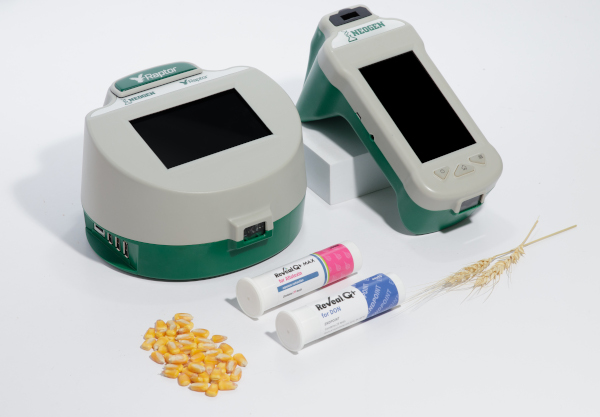
Reveal Q+ gives testing teams quantitative lateral flow options with test-specific preparation methods. Reveal Q+ MAX adds a common aqueous extraction strategy that Neogen uses across a six-mycotoxin line.
The addition of Reveal Q+ MAX for Fumonisin expands that water-based workflow for corn-focused mycotoxin testing. Reveal Q+ for Fumonisin remains an established solvent-based option, while the MAX addition gives customers another workflow to consider based on their testing needs.
Keep the decision practical
For most testing teams, the question does not need to become a chemistry debate. It is better framed as: Which verified extraction method helps us test our commodities accurately while fitting the way our team works? Neogen provides both water-based and solvent-based rapid testing options so facilities can choose the approach that fits the application.
If your priority is a common extraction for several mycotoxins, Reveal Q+ MAX may be worth evaluating. If your current test uses an established solvent-based procedure that matches your commodity and program, Reveal Q+ may remain the straightforward choice. In either case, current product instructions and verified commodity guidance should lead the decision.
Want a side-by-side look at the product families? Read our companion article, Reveal Q+ or Reveal Q+ MAX: Which Mycotoxin Test Fits Your Workflow?
Need support choosing the right test? Partner with our experts to get tailored recommendations for your process.
Want to learn more?
Read our companion article, Water-Based vs. Solvent-Based Extraction for Mycotoxin Testing, to learn how each approach can affect day-to-day sample preparation.
Category: Food Safety, Milling & Grain, Mycotoxins, Reveal®