Mycotoxin Testing and Prevention Across the Grain Supply Chain
April 23, 2026
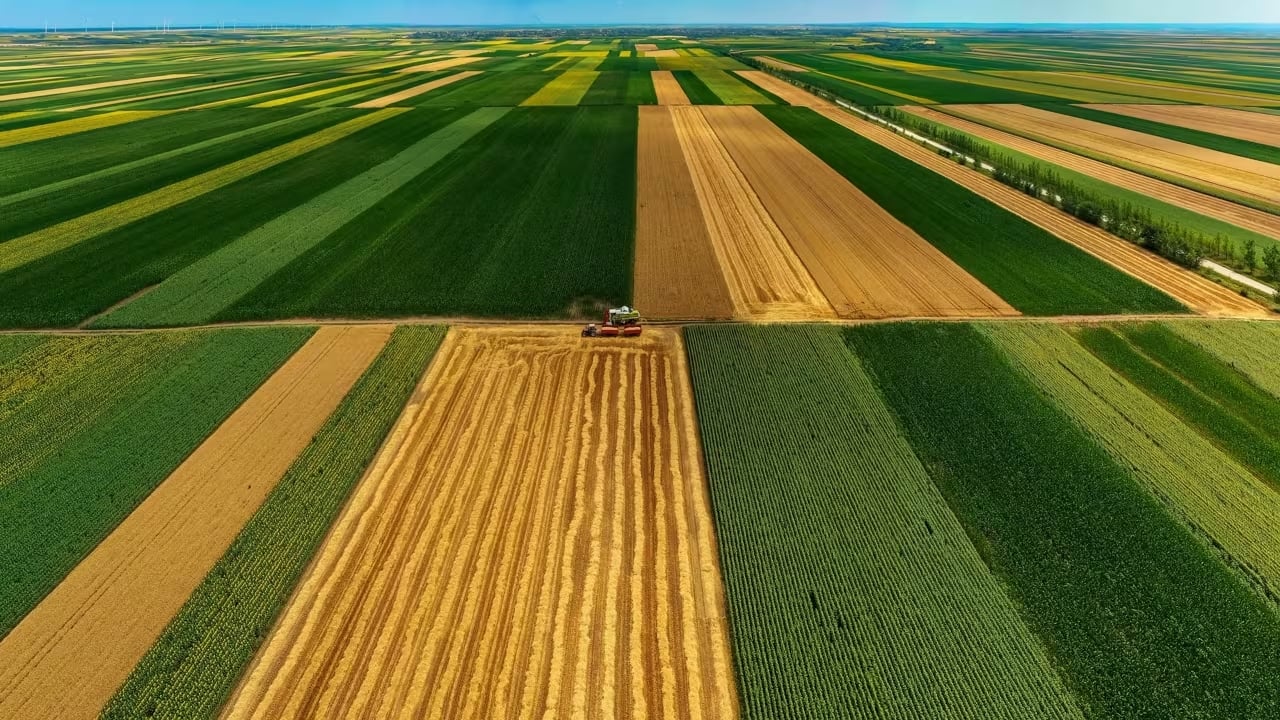
Mycotoxin testing during harvest season is essential for maintaining grain quality and help to ensure food and feed safety. Understanding mycotoxins is the first step in managing their risk across food and feed supply chains.
What Are Mycotoxins?
As the name suggests, mycotoxins are toxins produced by fungi, such as yeasts and moulds. Due to their varied nature, fungi, or their spores, can be found virtually everywhere, and when growth conditions are right, they will grow quickly, producing toxins as byproducts. Specific growth conditions, including temperature, humidity, and organic food sources, have an impact on whether particular fungi will grow and on the characteristics of the toxin byproducts produced. In many cases, the byproducts are identified as the following mycotoxins:
- Aflatoxin
- Fumonisin
- Ochratoxin
- T-2/HT-2
- Deoxynivalenol (DON)
- Zearalenone
How Does Mycotoxin Contamination Occur?
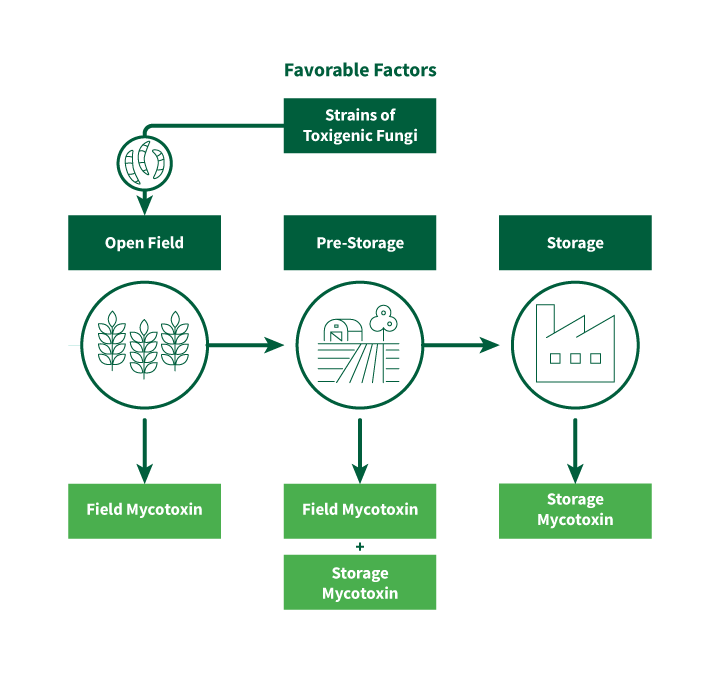
Grains provide an ideal environment for fungal growth, making them vulnerable to mycotoxin contamination both pre-harvest in the field and post-harvest during storage. Factors such as insect damage, poor handling practices, and environmental stress can compromise the grain kernel, allowing fungi to invade and multiply.
Once established, these fungi may produce mycotoxins that persist throughout storage and processing, making early detection and monitoring critical.
Preparing for Mycotoxin Testing During Harvest Season
As harvest time approaches, testing processes are often reviewed to help ensure the crop is safe and harvest runs as efficiently as possible. Understanding the nuances of mycotoxin testing is crucial to help ensure food and feed quality is protected and regulations are followed.
Key considerations when preparing for harvest testing include:
- Achieving a suitable particle size for efficient extraction
- Using mycotoxin reference material (MRM) to validate the method's performance
- Ensuring test methods comply with advisory and regulatory legislation
Together, these elements support reliable results during a time when testing volumes often increase significantly.
Sampling Best Practice
Effective testing starts with representative sampling. Because mycotoxins are often unevenly distributed, a robust sampling plan is critical during harvest. Best practices include:
- Obtaining representative samples from each grain load
- Grinding a sufficient quantity of the sample to a consistent particle size
- Testing the recommended portion size of the ground sample
These steps help ensure sample homogeneity, improving the accuracy and reliability of test results.
Proficiency Testing
Enrolment in a proficiency testing programme is another key element of a strong mycotoxin control strategy. The use of reference materials helps laboratories identify training needs, validate ongoing performance, and document method reliability.
By understanding the strengths and limitations of selected testing methods, laboratories can improve data quality and maintain confidence in their results throughout the testing season.
Committed to being more than a product provider, Neogen® offer mycotoxin reference material and a robust proficiency testing program. If you would like to explore more about this offering let us know here and a member of our team will be in touch.
Managing Mycotoxin Control Throughout the Supply Chain
Mycotoxin management doesn’t stop at harvest. Responsibility for testing often shifts as grain moves from farmers and producers to buyers, transporters, mills, and processors.
Some businesses focus testing intensity around the “new crop” period, with reduced volumes throughout the year, while others operate year-round testing as part of continuous production. In both cases, aligning testing strategies with operational priorities is essential.
Consistent Operation Priorities
Consistent mycotoxin testing plays a vital role in maintaining grain quality before, during, and after harvest, covering both raw materials and finished products. While raw material testing often serves as an initial screening step, finished product testing can be more complex due to the presence of additional ingredients that may affect test performance.
As a result, testing finished foods frequently requires analysis across a full panel of mycotoxins. Test speed, accuracy, and sensitivity are all critical when selecting a testing method, enabling the rapid and confident release of products to market.
Seasonal Operation Priorities
Seasonal testing is commonly carried out by grain elevators after harvest. This type of mycotoxin testing typically peaks during harvest season and is performed rapidly to assess grain quality before further processing. Testing at this stage is critical for determining whether the grain should be accepted, how it should be stored, and the value of the delivered grain. As a result, the mycotoxin testing method must be easy to use while delivering fast, accurate results, enabling sound purchasing decisions without disrupting the flow of the supply chain.
Preventing Mycotoxin Outbreak
Testing plays an essential role in safeguarding crops, but preventing mycotoxin contamination remains the most effective approach to mycotoxin control.
Proper Drying and Storage
Drying grains promptly to safe moisture levels immediately after harvest significantly reduces the risk of fungal growth. Any delay can allow moisture levels to rise, creating ideal conditions for mould development and mycotoxin production.
Once dried, grains must be stored in conditions that prevent moisture reabsorption and minimise temperature fluctuations.
Cleaning and Sanitation
Effective cleaning practices reduce the presence and spread of mould spores throughout harvesting equipment, storage facilities, and processing environments. Maintaining high hygiene standards at every stage of the supply chain supports long-term mycotoxin risk reduction.
Regular Testing and Monitoring
Routine testing and monitoring enable early detection and effective management of mycotoxin contamination. Sampling should take place at multiple stages, including pre-harvest, post-harvest, during storage, and throughout processing.
Rapid screening tools such as lateral flow tests and ELISA methods allow for fast, on-site decision-making. To find out more about the testing solutions and support Neogen can offer, please click here.
Key Takeaways
Effective mycotoxin control relies on understanding how contamination occurs, implementing robust testing during harvest, and maintaining preventative measures throughout storage and processing. By aligning sampling, testing, and prevention strategies across the supply chain, producers can protect grain quality, support compliance, and improve food and feed safety.
Kategorie: Lebensmittelsicherheit, Mykotoxine