NeoCenter
Proactive Pathogen Monitoring for Food Safety
March 09, 2026

Foodborne pathogens are microorganisms that pose significant risks in processing and food handling environments. If not properly controlled in the environment, contamination of finished food product may occur. A proactive approach to pathogen control is especially important for facilities that manufacture ready-to-eat (RTE) products, where even low-level contamination can have serious consequences. Building a proactive pathogen environmental monitoring program as part of your broader Environmental Monitoring Program (EMP) helps mitigate microbial contamination risks early and supports food safety in your facility.
The Neogen Environmental Monitoring Handbook for the Food and Beverage Industries (2nd Edition, 2025) provides helpful guidance on building a robust EMP and outlines key components of an effective pathogen environmental monitoring program. Here are a few steps to get you started.
Common Pathogens to Monitor
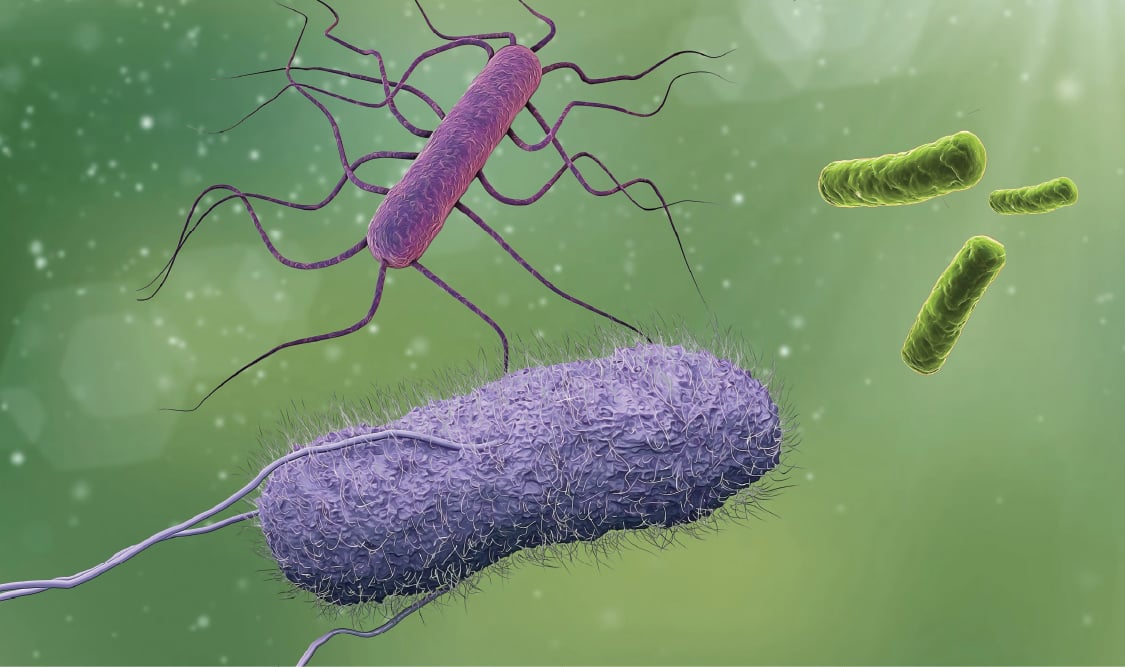
A major component of building your pathogen environmental monitoring is identifying the pathogens most likely to appear in your specific processing environment and the risks associated with the food being produced. Many pathogens cause foodborne illness, but only a few consistently appear in confirmed cases and outbreaks that stem from the processing environment. Key pathogens to target in your pathogen environmental monitoring include:
Listeria monocytogenes is a resilient pathogen of particular concern in the processing environments of meat, fish and seafood, dairy products, fruits, and vegetables. Although Listeria monocytogenes is the species of concern, most pathogen environmental monitoring programs monitor for Listeria spp. This broader approach helps detect environmental conditions that could support the growth or survival of Listeria monocytogenes, offering a more sensitive early warning strategy.
Salmonella poses significant concerns in the handling and processing of feed, meat, and eggs. Low-moisture environments, in particular, can serve as reservoirs for this pathogen. Pathogen environmental monitoring programs typically target Salmonella spp., which includes common species such as Salmonella enterica and Salmonella bongori. This broad approach helps to identify and eliminate harborage sites that may persist for years.
Cronobacter spp. is an opportunistic pathogen known to cause life-threatening illnesses in neonates, infants, and immuno-compromised older individuals. It is often associated with plant-based foods, such as corn, soy, wheat, and rice, as well as milk powder and powdered infant formula. Cronobacter can survive for extended periods in dry environments and frequently contaminates hard-to-clean areas. Tests for Cronobacter should include reliable detection of all species.
These pathogens, among others, are invisible threats in your food processing and handling environment that can lead to contamination events. To be effective, your pathogen environmental monitoring strategy should develop a proactive approach to sampling that allows you to verify your food safety system and help eliminate hazards from the environment.
Building a Pathogen Environmental Monitoring Program

Building your pathogen monitoring program starts with a well-designed sampling and testing system that allows you to identify persistent hazards and verify that existing control measures are effective. To begin, assemble a cross-functional team to walk through the facility and identify high-risk areas, such as hard-to-clean spaces, wet zones, and high-traffic zones. Assign each location a unique identifier and classify by zone (1–4). Use this walkthrough to develop a comprehensive master list of sample sites, document procedures, and outline corrective actions.
Ideally, this data could be managed in a searchable system such as a laboratory information management system to support trend analysis and inform ongoing decisions like sampling frequency and timing.
Determine sampling frequency and timing based on your product type, environment, and risk assessment, with a focus on zones where pathogens are likely to persist. For example, a facility handling RTE seafood, which potentially poses a risk for Listeria, would likely require weekly sampling. Over time, your team may determine that the zone is low risk and reduce sampling to once a month. However, if new risks arise, such as pooling water or flood damage, your team should be empowered not only to re-increase sampling but also to add locations outside of the master list.
A well-structured sampling plan lays the foundation for an effective pathogen monitoring program. Reviewing your plan regularly and adjusting it as your processes or risk profile evolves adds additional security and informs next steps, such as how to use your long-term sampling data to identify recurring issues and prevent future contamination.
Find USDA FSIS recommended sampling frequencies for pathogen monitoring in the Neogen Environmental Monitoring Handbook for the Food and Beverage Industries (2nd Edition, 2025).
Corrective Actions and Data Trends
Developing an effective pathogen environmental monitoring program requires more than just detection; it calls for action. When your team detects a pathogen in the facility, respond quickly using the corrective actions outlined in your Corrective and Preventive Action (CAPA) plan. You may need to conduct a root cause analysis to determine the source of contamination, followed by a recleaning and retesting process. In persistent or unclear cases, your team may implement a seek-and-destroy strategy using targeted sampling, repeated deep cleaning, and equipment disassembly to identify and eliminate hidden sources of contamination.
Persistent pathogens survive and grow when teams miss niche sites during verification or when sanitizers temporarily conceal them. These challenges can lead to sporadic positives that mislead teams about the true extent of contamination. In these cases, deeper investigations may be necessary to identify hidden sources and guide more effective corrective actions. However, if controls continue to fall short, you may find it worthwhile to update your plan to include revalidation procedures, particularly for Sanitation Standard Operating Procedures (SSOPs) and other non-process preventive controls.
A mature pathogen environmental monitoring program treats corrective action as an ongoing process. Review findings and trend data regularly to guide continuous improvements to your sampling strategy and strengthen your overall response plan.
Putting It into Practice
 Building a strong pathogen monitoring program takes a steady, informed approach. Stay focused on documenting and following procedures, reacting quickly to contamination, and adapting your strategy as needed.
Each result gives your team the insight needed to improve your process. Use that data to reassess sampling zones, update procedures, and support team training. A well-executed program also supports your food safety goals by verifying sanitation, identifying risks, and informing corrective actions.
Clear communication, regular review, and a focus on continuous improvement help your team build confidence in the process and strengthen your defense against microbial risks.
To learn more about seek-and-destroy steps, zone determination, and building a master sampling list, download the Neogen Environmental Monitoring Handbook for the Food and Beverage Industries (2nd Edition, 2025). It’s your guide to controlling pathogens with confidence and building a safer, more resilient food processing environment.
Category: Food Safety, Pathogens, Neogen® Molecular Detection System