Mycotoxin Testing in Food Safety: Methods, Risks, and Best Practices
June 16, 2026
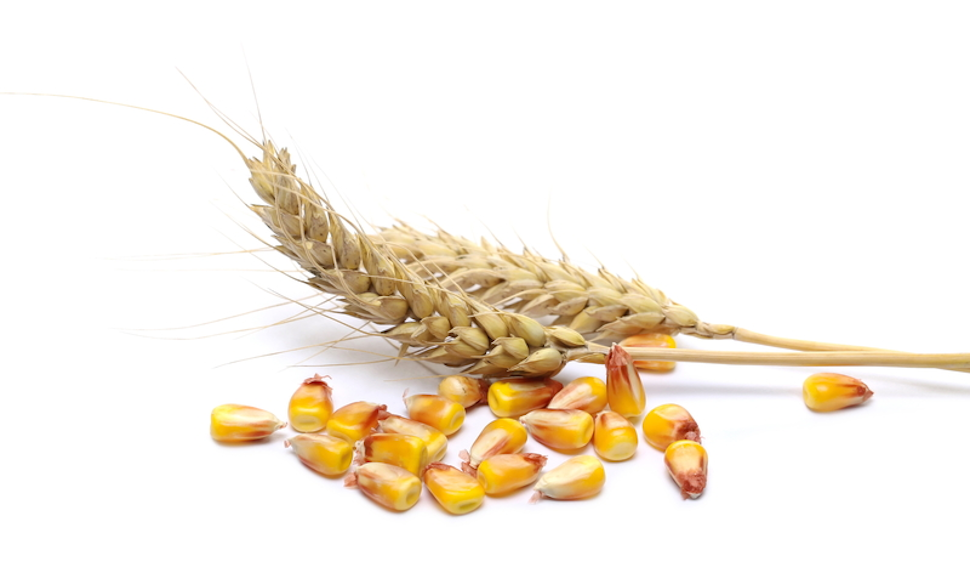
With mycotoxins difficult to eliminate once present, early detection and routine testing are essential for managing contamination risk and ensuring compliance across global food and feed supply chains. This article provides practical guidance on mycotoxin risks, testing methods, and strategies to support effective food safety programs.
What Are Mycotoxins?
Mycotoxins are toxic fungal metabolites that can occur in a wide range of food and feed commodities. They are not destroyed by heat, freezing, or typical food processing methods, making prevention, monitoring, and detection essential components of food safety programs.
The Food and Agriculture Organization estimates that at least 25% of global food crops are affected by mycotoxins, though more recent data suggests contamination levels may be even higher depending on environmental and storage conditions.1
Environmental factors such as weather conditions, insect damage, and improper storage all contribute to fungal growth and toxin production. Left undetected, contaminated products can result in recalls, regulatory action, and loss of consumer trust.
Which Mycotoxins Should You Test for and When?
The types of mycotoxins you test for should be guided by commodity, environmental conditions, and stage in the supply chain.
| Scenario | Priority | Why |
|---|---|---|
| Corn supply chain | Aflatoxin, DON, Fumonisin | Climate + crop susceptibility |
| Wheat processing | DON, Zearalenone | Moisture-driven contamination |
| Stored commodities | Ochratoxin | Post-harvest development |
Common Mycotoxin Testing Methods
- Lateral flow devices for rapid, on-site screening
- ELISA assays for scalable laboratory testing
- HPLC / LC-MS methods for confirmatory and highly sensitive analysis
When to Use Each Method
- Screening vs confirmatory
- Throughput vs sensitivity
- Field vs lab
Contact your local Neogen representative to discuss your needs and explore potential solutions tailored to your operation.
How to Build an Effective Mycotoxin Testing Program
An effective mycotoxin testing program goes beyond routine screening—it requires a risk-based approach tailored to your commodities, processes, and regulatory requirements.
Key considerations when building your program:
- Define critical sampling points across the supply chain, including incoming raw materials, storage, and finished products
- Select the appropriate test method based on decision speed, sensitivity requirements, and testing environment (field vs. laboratory)
- Align with regional regulatory limits and customer-specific requirements to ensure compliance across markets
- Establish testing frequency based on risk factors such as commodity type, seasonality, and historical contamination data
Ensure representative sampling practices to improve accuracy and reduce variability in results
Train personnel and standardize procedures to maintain consistency and reliability across testing workflows
Mycotoxin Risk Across the Supply Chain
Mycotoxin contamination can occur at multiple stages of the food and feed production process, making it essential to understand where risks are most likely to arise. Identifying these critical control points—and aligning them with targeted testing checkpoints—helps strengthen monitoring programs and reduce the likelihood of contaminated products reaching the market.
| Supply Chain Stage | Primary Risk Factors | What’s Happening | Recommended Testing Checkpoint | Purpose of Testing |
|---|---|---|---|---|
| Field Production | Weather conditions, fungal infection, insect damage | Crops become infected during growth | Pre-harvest screening | Identify contamination early and guide harvest decisions |
| Harvest & Transport | Mechanical damage, handling stress | Damaged grains become more susceptible to contamination | Lot acceptance testing (intake) | Prevent contaminated lots from entering the supply chain |
| Storage | Moisture, temperature, poor ventilation | Fungal growth and mycotoxin production increase over time | Periodic monitoring | Detect developing contamination during storage |
| Processing | Persistence through processing steps | Mycotoxins may remain in ingredients and finished goods | Finished product testing | Ensure compliance with regulatory limits and product safety |
To learn more about mycotoxin testing programs, watch our webinar Mycotoxin Detection & Analysis: Strategies to Support Your Testing Program.
Neogen Mycotoxin Testing Solutions
Neogen offers a comprehensive portfolio of qualitative and quantitative mycotoxin testing solutions designed to support both rapid screening and precise quantification.
Key Benefits of Neogen Mycotoxin Tests:
- Rapid test kits for quick screening decisions
- Quantitative assays for detailed analysis
- Solutions for multiple commodities
- Flexible use in lab and field environments
By integrating reliable mycotoxin detection methods into quality control programs, organizations can strengthen food safety systems and help protect their supply chains.
Category: Food Safety, Milling & Grain, Mycotoxins