The Critical Role of Environmental Monitoring in Food Safety
April 21, 2026

In the fast-paced world of food and beverage manufacturing, ensuring food safety and quality is a non-negotiable priority. The stakes are high, as biological and chemical hazard contamination can jeopardize consumer health and a brand’s reputation.
Food recalls continue to come up in the news and are something most of us have been aware of or impacted by. Everything from prepared ready-to-eat foods to produce to powdered formula has made headline news. Terms like E. coli, Listeria, and Salmonella are on the tips of the tongues of food safety specialists, as well as reporters and the general public.
Meanwhile, industry experts are using technology and science to track, fight, and prevent outbreaks. Regulations are in place to help protect consumers from foodborne illnesses. The food safety world is shifting from the traditional approach of focusing on finished food products to going to the source of contamination before it starts. One effective method that food processors can use to improve food safety and quality is an environmental monitoring program. These programs are designed to reduce the risk of contamination based on the food or beverage being manufactured.
International food safety standards and regulations around the world emphasize the importance of environmental monitoring for verification of both process controls and preventive controls like sanitation. For example, the U.S. FDA Food Safety Modernization Act (FSMA) Preventive Controls for Human Food Rule states: “We propose to require environmental monitoring, for an environmental pathogen or for an appropriate indicator organism, if contamination of a ready-to-eat food with an environmental pathogen is a hazard requiring a preventive control, by collecting and testing environmental samples.” The USDA FSIS, Health Canada, European Commission, and GFSI-recognized food safety standards all include similar requirements.
Why Environmental Monitoring Matters — According to the Experts
Environmental monitoring is the cornerstone of modern food safety practices; it focuses on identifying, tracking, and mitigating potential risks in a facility before they become full-blown problems.
Take this example; in 1998, a Salmonella outbreak sickened 209 people after they ate toasted oat cereal. Ten years later, in 2008, another Salmonella outbreak affected 28 people who ate puffed rice cereal from the same processing plant. When experts analyzed the strains, they came to a startling realization. The strains implicated in both outbreaks were of the same subtype. In other words, the Salmonella survived in the plant for a decade.
These outbreaks could have been prevented. With the right environmental monitoring program, many foodborne illnesses could be averted or curtailed. Focusing on solutions to prevent microorganisms diminishes the possibility of a food safety incident and prevents costly recalls in the tight-margin industry of food production.

Randy Worobo is a professor of Food Science at Cornell University and co-author of the 2nd Edition Neogen® Environmental Monitoring Handbook for the Food and Beverage Industries. He advises food processing companies to focus on preventative programs.

The environmental monitoring handbook was created to provide a guide for food industry employees and academics by packaging large amounts of expert industry knowledge in one place. Martin Wiedmann, Gellert Family Professor in Food Safety at Cornell University, says there’s a great need for this industry resource.
Professor Wiedmann partnered with Neogen and other industry experts to create the 2nd Edition Neogen Environmental Monitoring Handbook. He also works to develop training resources for safer practices through the Neogen educational resource center for the food and beverage industries.
Laying the Foundation for a Proactive Environmental Monitoring Program
A proactive environmental monitoring program begins with a thorough hazard analysis to identify potential safety hazards and quality risks that could emerge during food processing and handling. This foundational step sets the stage for a robust program that addresses contamination risks and helps ensure consistent product quality. The 2nd Edition Neogen Environmental Monitoring Handbook provides readers with clear guidance on establishing critical limits for monitoring, which are essential for defining safe operational thresholds.
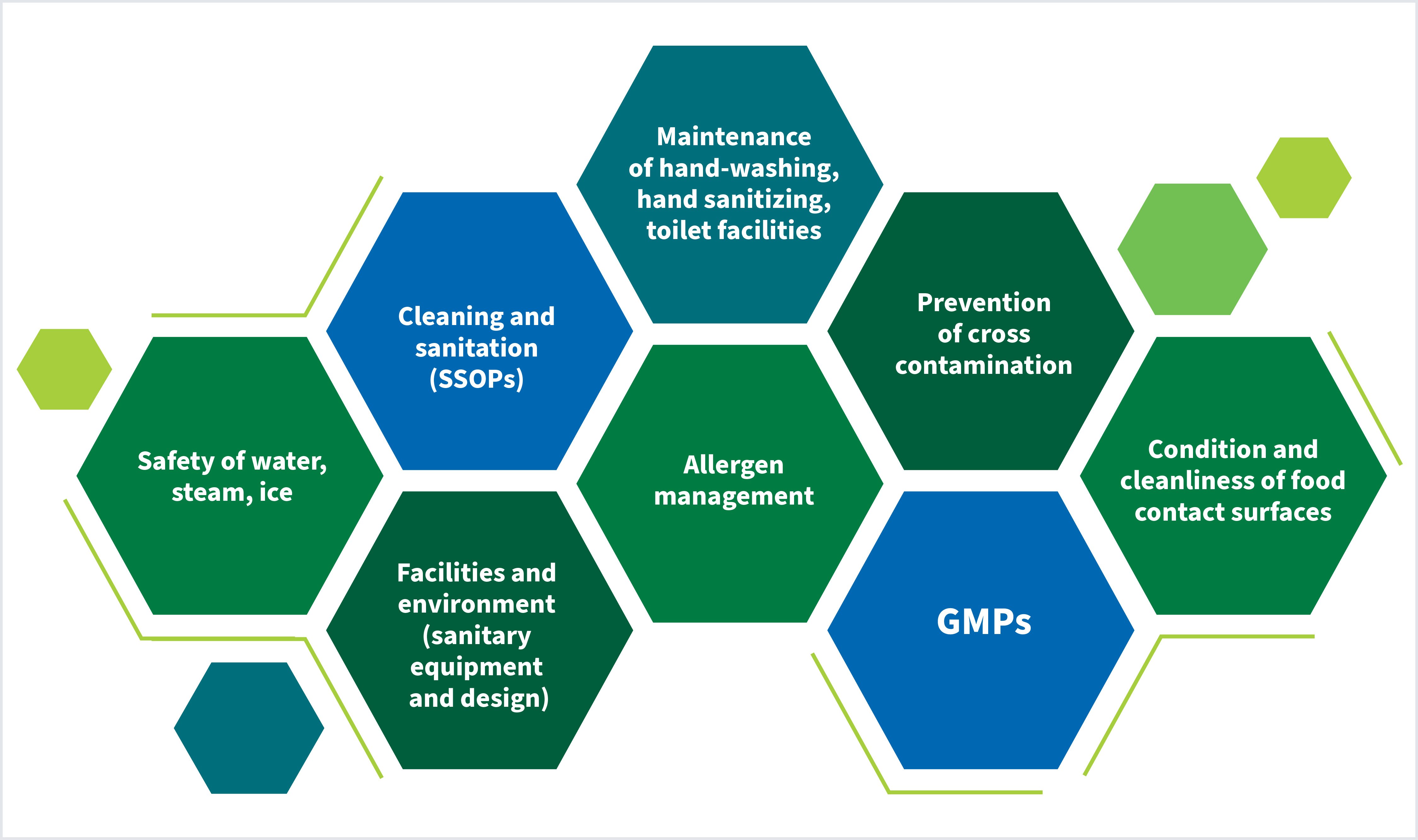
Equally important is utilizing sanitation measures and equipment modifications to reduce contamination risks at their source. Tailoring these measures to the unique challenges of your facility helps prevent the introduction of pathogens and allergens into the production environment.
To maintain the program’s effectiveness, the handbook also emphasizes determining optimal monitoring frequency and establishing detailed record- keeping practices. The 2nd Edition Neogen Environmental Monitoring Handbook equips you with the tools and knowledge needed to:
- Identify risks before they affect your products
- Maintain compliance with evolving food safety regulations
- Protect your consumers, your brand, and your bottom line
By integrating these elements into an environmental monitoring program, companies can significantly reduce contamination risks, streamline operations, and protect their brand from the damaging effects of recalls.
The Next Chapter Unfolds: What’s New for Environmental Monitoring?
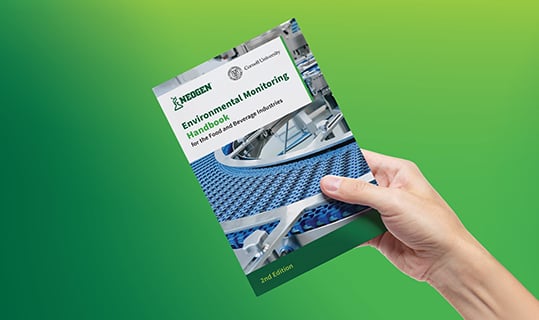
Building on the success of its predecessor, the updated and expanded 2nd Edition of the Neogen Environmental Monitoring Handbook features several key enhancements, including three new chapters and even more expert insights.
Discover what’s new in the handbook and explore methods to create a comprehensive environmental monitoring strategy to help prevent recalls, enabling improvements and overall efficiency by streamlining production processes.
Related Content

Environmental Monitoring in the Food Industry: What You Need to Know
Environmental monitoring is a critical component of food safety programs in the food and beverage industry. Learn how environmental monitoring helps prevent contamination, verify sanitation effectiveness, and control pathogens such as Listeria and Salmonella. Discover best practices aligned with GFSI and FSMA requirements to strengthen environmental monitoring programs in food processing facilities across Latin America.

Food Safety in LATAM: An Urgent Need Driven by Science
Food safety in Latin America requires science-based strategies to address contamination risks, regulatory pressure, and foodborne illnesses. Learn how environmental monitoring, risk analysis, and validated food safety systems help food and beverage manufacturers in LATAM comply with GFSI, Codex, and FSMA expectations while protecting public health and brand integrity.

Z1 to Z4 Zones in the Food Industry: The Key to Effective Environmental Monitoring
The Z1–Z4 zoning approach is essential for effective environmental monitoring in the food industry. Learn how food processors in Latin America use zone-based sampling to reduce contamination risks, strengthen food safety programs, and comply with FSMA, GFSI, and Codex requirements.
Category: Food Safety, Food & Beverage, Environmental Monitoring